
Amelia chats to Dr. Sadhana Jagannath
At Space A, design is never just about how a home looks, it’s about how it feels to live in. That’s why our collaboration with Dr. Sadhana Jagannath has been so valuable. Her PhD in environmental psychology examines the links between home design and wellbeing and what it means to create homes that stand the test of time.
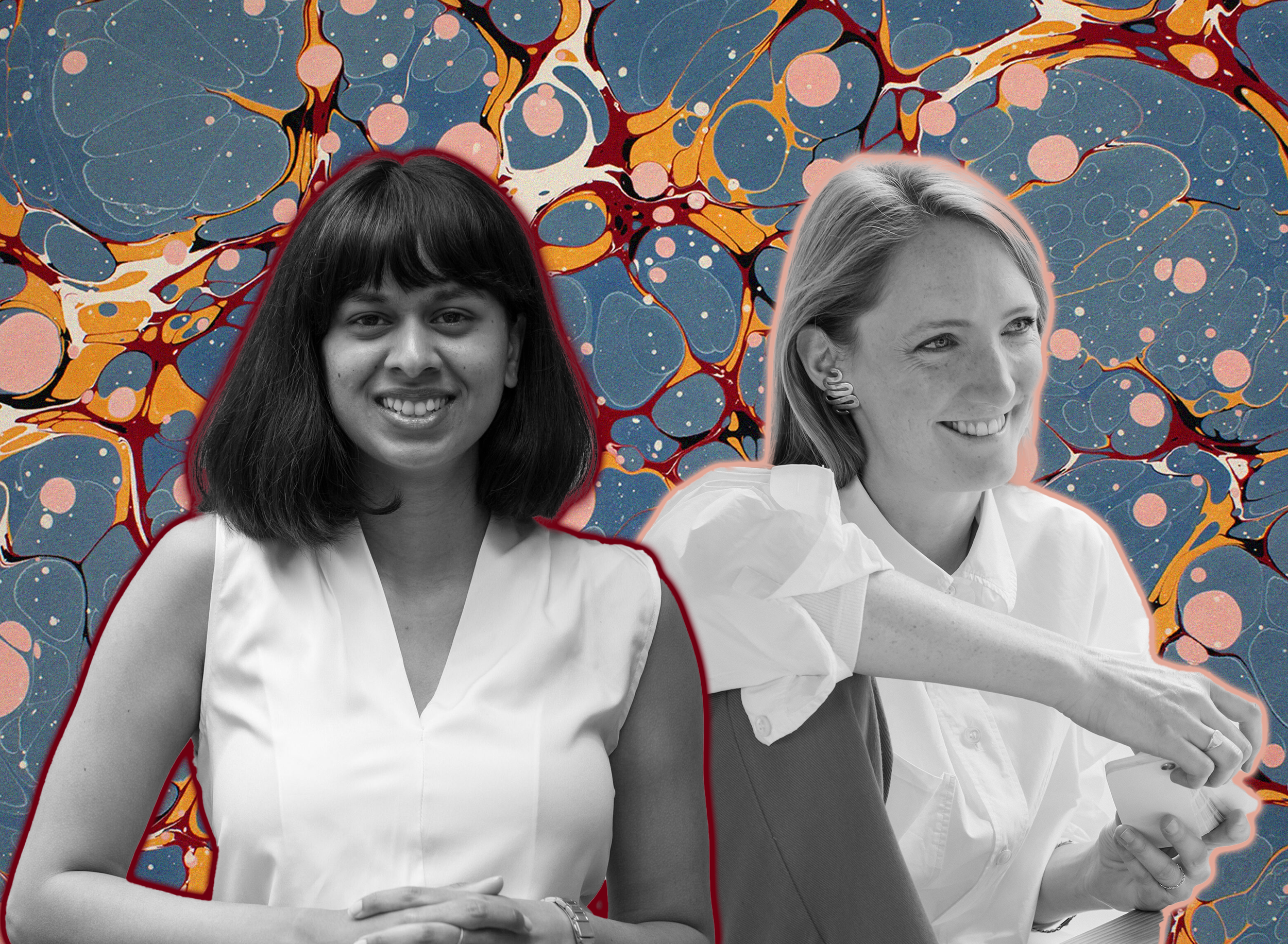
In this conversation, Amelia sits down with Sadhana to explore why psychology matters in home design. By uncovering clients’ deeper needs, values, and personality traits, we are able to guide the design process with clarity and purpose.
Amelia (A) : I really appreciate you taking the time to chat! How about we start by learning a bit more about your background?
Sadhana (S) : I first studied architecture in India, where I became intrigued by the ways people adapt their homes to express themselves. That curiosity led me to pursue a master’s in psychology at the University of Surrey where I explored the deeper relationship between people and their spaces. At the same time, I was drawn to housing design, because it’s such a personal space with so much to explore.
During my master’s, I explored how aligning a home with its owner’s personality can support wellbeing and I developed a questionnaire to evidence this connection. I looked at how a home can mirror its resident’s personality by asking questions like: are you organised and is your house organised? to see if there was a match.
My PhD then focused on the idea of flexibility, not just in architectural terms like multifunctional or modifiable spaces, but also in how residents actually use and adapt their homes. I wanted to build up knowledge that would hopefully be useful for the design industry. The association between having control over your home and your well-being is assumed, but I think it’s good to have evidence before we use these ideas in practice. What became clear is that while flexible spaces matter, it’s ultimately how people engage with those spaces that determines its impact on our wellbeing.
“It’s a to and fro. We impose our identity on our space and we draw our identity from our space.”
- Sadhana Jagannath Ph.D.
A : How did you monitor well-being in your studies?
S : To measure wellbeing, I looked at two sides of the picture: hedonic wellbeing (the emotional side i.e. happiness, excitement, stress etc.) and eudaimonic wellbeing (the deeper psychological side, which is about feeling in control, capable, and connected).
I asked people questions like, ‘Do you feel in control at home?’ or ‘Does your home help you connect with others?’ Using their answers, I could link key psychological needs to physical design features. For example, windows helped fulfill their need for connection because looking out of a window helped them feel more connected to the world.
A : In terms of ease, did you look at why someone might find it hard to make changes to their house? For example, it could be because they're renting or financially struggling. Did you define that in your research?
S : Yes, and I did find a difference. Homeowners generally felt their spaces were more flexible, but interestingly, this didn’t vary much across different property types. I think this is because most people, unless they have an interior design or architecture background, don’t tend to reflect deeply on the built environment and what it can offer. Their sense of flexibility seemed to be shaped more by ownership status than by the kind of property they lived in.
A : How did you allow for external situations? I guess if someone were going through something like bereavement, that would impact how they felt at home.
S : I didn't necessarily ask them about any personal experiences because I wanted to be discreet and respect people’s privacy. Thinking about it now, you can ask people ‘are you happy with your home’ but their answer won't be the same the next day because people and circumstances change. The whole premise of a flexible house is that hopefully it will adapt to people's needs.
A : The only constant in the design process is change. Clients may shift their ideas and opinions along the way, which is why we think it’s so important to have a flexible framework. We’re not suggesting endlessly reworking a finished home, but we do believe that the best projects come from an ongoing, collaborative dialogue with the client. What’s your take on that?
S : I think that’s an amazing approach. John Habraken is a Dutch architect who wrote a book about how ideally, the process of building a home should be resident driven. For designers, that can be challenging because it means giving up control, which isn’t always easy. But ultimately, it shouldn’t be a fight between the architect and the user but it’s about finding common ground.

For the Big/Small House Space A worked with the client to design a sliding panel displaying artwork to conceal a television recess
A : Were there any findings from your PhD that really surprised you?
S : I have to say the qualitative data I received from people really surprised and excited me. During the pandemic, people were suddenly spending so much time at home, and for many, it was the first time they truly reflected on how their surroundings affected them. They spoke so beautifully about the role of objects, rooms, and even other people in the house, and how all of these shaped their sense of wellbeing.
“ We are our most authentic selves at home, but it is a place where we end up bringing our outside world, and that affects how we experience the physical structure of the house.”
- Sadhana Jagannath Ph.D.
A : It's interesting how lockdown made people stop and reflect in a deep way. Do you have any advice on how to get into the right headspace to really make the most of your home?
S : Reflection is key. In my studies, I encouraged people to think deeply about concepts like identity, attachment, and what truly drives them. Maybe if you ask clients to do this kind of self reflection it will help them filter through the noise of endless design inspiration and focus them on what really matters.
When I give a lecture, one of the things that I love to do with my students is to ask them to draw a plan of their house and label their favorite spots and where they feel most authentically themselves. The moment they give themselves the time to reflect it becomes clear what is important to them.
You can find Sadhana’s full study on flexible home design here.